

Toothpaste is one of the most important tools in your oral health arsenal! But keep in mind that your Ocean County dentist will tell you that you have to choose the right type of toothpaste if you want your brushing to be as effective as it can be.
Wait, there can be a right and wrong kind of toothpaste? Actually, yes! You really can use the wrong type of toothpaste!
The fact is, not all toothpastes are made to work the same. They can be designed to address many different dental needs, depending on whatever the folks at your dental office serving Manahawkin tell you you should address first. An essential part of making good decisions about your oral care is knowing which toothpastes are the right choices for your family.
Experts in dentistry near Manahawkin will suggest you follow these five tips when making a choice:
1) Fluoride!
Don’t make the mistake of thinking every toothpaste contains fluoride. They don’t! Some “natural” toothpaste brands are free of fluoride. These are good for very young children under the age of six – fluoride can actually discolor teeth in young children – but once they are older, follow the recommendation of your dental office serving Manahawkin and use a toothpaste with fluoride. It’s one of the most vital ways in which brushing can help you battle cavities.

2) Whitening!
Whitening toothpastes are bigger than ever and easily available. But do you need one? They are fine options that might help slow down staining, but don’t expect dramatic results. They might be able to lighten your teeth by up to a shade, though even that would be a great result. The truth is, if you have sensitive teeth you should not use whitening toothpastes because they have chemicals that can make your teeth more sensitive.
3) Who’s Using It?
Remember that there are toothpastes made specifically for adults, and there are toothpastes made specifically for children. Always read labels carefully so you understand who the intended user is. For further advice, an a dentist in Ocean County for their input. Remember that a brand of toothpaste may not be suitable for the whole family!
4) ADA Approval!
Look for the American Dental Association seal of acceptance on your toothpaste. Any brand that is proven to be safe and effective will have that logo. It doesn’t matter the style you choose – whitening, all natural, baking soda, and others – if it doesn’t have the seal of approval by the ADA, take a pass. Your dentist near Manahawkin will give you the same advice.
5) Chronic Dental Problems?
Be sure to inform your dentist serving Manahawkin if you have chronic tooth problems that you are feeling on a regular basis. Pain, temperature sensitivity, and other chronic maladies are a sign there may be an underlying issue that needs to be addressed. You may be surprised to learn that your dentist may even be able to suggest a new type of toothpaste to help with your symptoms, such as desensitizing toothpaste.
Ready to start brushing? They get in the bathroom and do it, then visit your dental office near Manahawkin for a check up to see how well your teeth are doing.

Taking care of your teeth and gums is a critical part of maintaining healthy overall wellbeing. Without good dental hygiene, you can be vulnerable to a range of issues including cavities, tooth decay, gum disease and more. This comprehensive guide will explain the various parts of your teeth and gums, how they work together, common problems that arise and how to best practice good oral health. With just a few simple steps you can ensure your teeth and gums stay strong and healthy for years to come – start tending to your oral health today with this guide!
Your teeth and gums are comprised of very important structures that protect your mouth from infection and decay. The first line of defense for the body is the outer layer of enamel on your teeth, which makes up the strong protective shell around each tooth. In addition to this, your gums contain connective tissue that helps to hold your teeth in place and creates a barrier against infections. Each of these structures are incredibly important, and it is critical that they remain in good health to ensure your overall wellbeing.
Daily dental hygiene is an essential part of maintaining healthy teeth and gums. You should brush your teeth at least twice each day with fluoride toothpaste for two minutes, focusing on the back molars which tend to be more prone to plaque buildup. Flossing is also important as it helps remove debris, bacteria and plaque from between the teeth and along the gum line. Using a tongue scraper or mouthwash can further help keep your mouth clean by reducing bacteria growth.
In addition to daily dental hygiene, regular checkups with your dentist are necessary in order to address any problems that may arise. Your dentist can check for cavities and gum disease, as well as provide guidance on how to best practice good oral health. They may also recommend certain treatments such as fillings, root canals or crowns to address any issues that have already occurred.
Ultimately, taking care of your teeth and gums is an important part of overall health and wellbeing. By following these simple steps, you can ensure that your mouth remains healthy and strong for years to come.
Finally, here are some tips to keep in mind:
- – Brush and floss your teeth every day.
- – Use a tongue scraper or mouthwash to reduce bacteria growth in the mouth.
- – Visit your dentist on a regular basis for checkups and any necessary treatments.
- – Avoid smoking, as it can damage gum tissue and increase your risk of developing oral cancer.
- – Eat a balanced diet that includes plenty of fruits, vegetables and whole grains.
By following these tips, you can ensure that your mouth remains healthy and strong for years to come.
Want a little more help. Schedule an appointment with us today!
Here’s what you’re not doing when you brush your teeth
We’ve all been told how important it is to brush our teeth—but with so many tips and techniques out there, it’s easy to wonder if you’re doing it the right way. In this article, we’ll break down the essentials of proper brushing, explore why it’s so crucial through facts and statistics, and explain what can happen if you skip it. Whether you’re maintaining your smile into your senior years or simply want to keep your teeth healthy, this guide is for you.

One of the most fundamental questions in oral care is: How often should you brush your teeth? According to the American Dental Association (ADA), the recommendation is to brush at least twice a day for two minutes each time. Brushing in the morning helps remove bacteria that accumulate overnight and prepares your mouth for the day, while brushing before bed clears away plaque, food particles, and bacteria that have built up throughout the day.
However, brushing effectively isn’t just about frequency—technique matters just as much. Use a soft-bristled toothbrush and fluoride toothpaste. Avoid brushing too hard; instead, apply light pressure and use gentle, circular motions. Be thorough—clean all surfaces of your teeth, including along the gum line and behind the molars. Don’t forget your tongue, either—it can harbor bacteria that contribute to bad breath.
Why is proper brushing so important? Nearly half of U.S. adults suffer from some form of gum disease, with rates even higher among older adults. Poor oral hygiene is also linked to serious health conditions such as heart disease, diabetes, and cognitive decline, including dementia. Beyond physical health, neglecting your oral care can affect your self-confidence—bad breath and stained teeth can have a social impact.
If this seems overwhelming, know that support is available. Your dentist or dental hygienist can offer personalized advice and recommend products like floss, mouthwash, or interdental brushes to complement your routine. Additionally, there are many reputable online resources and videos that can guide you through proper brushing techniques.
Finally, it’s important to understand that brushing alone may not be sufficient in every case. Conditions like tartar buildup, gingivitis, or other periodontal concerns often require professional intervention. This is why routine dental check-ups are essential—they allow your dental team to identify and address issues early, helping you maintain long-term oral and overall health.
In the end, brushing your teeth may seem like a small thing – but it can have a major impact on your health and well-being. By following best practices for brushing technique and making regular dental check-ups a priority, you can help ensure that your smile stays bright and healthy for years to come. Remember – a little effort now means a lifetime of benefits.
Toothpaste is one of the most important tools in your oral health arsenal! But keep in mind that your Ocean County dentist will tell you that you have to choose the right type of toothpaste if you want your brushing to be as effective as it can be.
Wait, there can be a right and wrong kind of toothpaste? Actually, yes! You really can use the wrong type of toothpaste!
The fact is, not all toothpastes are made to work the same. They can be designed to address many different dental needs, depending on whatever the folks at your dental office serving Manahawkin tell you you should address first. An essential part of making good decisions about your oral care is knowing which toothpastes are the right choices for your family.
Experts in dentistry near Manahawkin will suggest you follow these five tips when making a choice:
1) Fluoride!
Don’t make the mistake of thinking every toothpaste contains fluoride. They don’t! Some “natural” toothpaste brands are free of fluoride. These are good for very young children under the age of six – fluoride can actually discolor teeth in young children – but once they are older, follow the recommendation of your dental office serving Manahawkin and use a toothpaste with fluoride. It’s one of the most vital ways in which brushing can help you battle cavities.
2) Whitening!
Whitening toothpastes are bigger than ever and easily available. But do you need one? They are fine options that might help slow down staining, but don’t expect dramatic results. They might be able to lighten your teeth by up to a shade, though even that would be a great result. The truth is, if you have sensitive teeth you should not use whitening toothpastes because they have chemicals that can make your teeth more sensitive.
3) Who’s Using It?
Remember that there are toothpastes made specifically for adults, and there are toothpastes made specifically for children. Always read labels carefully so you understand who the intended user is. For further advice, an a dentist in Ocean County for their input. Remember that a brand of toothpaste may not be suitable for the whole family!
4) ADA Approval!
Look for the American Dental Association seal of acceptance on your toothpaste. Any brand that is proven to be safe and effective will have that logo. It doesn’t matter the style you choose – whitening, all natural, baking soda, and others – if it doesn’t have the seal of approval by the ADA, take a pass. Your dentist near Manahawkin will give you the same advice.
5) Chronic Dental Problems?
Be sure to inform your dentist serving Manahawkin if you have chronic tooth problems that you are feeling on a regular basis. Pain, temperature sensitivity, and other chronic maladies are a sign there may be an underlying issue that needs to be addressed. You may be surprised to learn that your dentist may even be able to suggest a new type of toothpaste to help with your symptoms, such as desensitizing toothpaste.
Ready to start brushing? They get in the bathroom and do it, then visit your dental office near Manahawkin for a check up to see how well your teeth are doing.
Here’s what you’re not doing when you brush your teeth
We’ve all been told how important it is to brush our teeth—but with so many tips and techniques out there, it’s easy to wonder if you’re doing it the right way. In this article, we’ll break down the essentials of proper brushing, explore why it’s so crucial through facts and statistics, and explain what can happen if you skip it. Whether you’re maintaining your smile into your senior years or simply want to keep your teeth healthy, this guide is for you.
One of the most fundamental questions in oral care is: How often should you brush your teeth? According to the American Dental Association (ADA), the recommendation is to brush at least twice a day for two minutes each time. Brushing in the morning helps remove bacteria that accumulate overnight and prepares your mouth for the day, while brushing before bed clears away plaque, food particles, and bacteria that have built up throughout the day.
However, brushing effectively isn’t just about frequency—technique matters just as much. Use a soft-bristled toothbrush and fluoride toothpaste. Avoid brushing too hard; instead, apply light pressure and use gentle, circular motions. Be thorough—clean all surfaces of your teeth, including along the gum line and behind the molars. Don’t forget your tongue, either—it can harbor bacteria that contribute to bad breath.
Why is proper brushing so important? Nearly half of U.S. adults suffer from some form of gum disease, with rates even higher among older adults. Poor oral hygiene is also linked to serious health conditions such as heart disease, diabetes, and cognitive decline, including dementia. Beyond physical health, neglecting your oral care can affect your self-confidence—bad breath and stained teeth can have a social impact.
If this seems overwhelming, know that support is available. Your dentist or dental hygienist can offer personalized advice and recommend products like floss, mouthwash, or interdental brushes to complement your routine. Additionally, there are many reputable online resources and videos that can guide you through proper brushing techniques.
Finally, it’s important to understand that brushing alone may not be sufficient in every case. Conditions like tartar buildup, gingivitis, or other periodontal concerns often require professional intervention. This is why routine dental check-ups are essential—they allow your dental team to identify and address issues early, helping you maintain long-term oral and overall health.
In the end, brushing your teeth may seem like a small thing – but it can have a major impact on your health and well-being. By following best practices for brushing technique and making regular dental check-ups a priority, you can help ensure that your smile stays bright and healthy for years to come. Remember – a little effort now means a lifetime of benefits.
Toothpaste is one of the most important tools in your oral health arsenal! But keep in mind that your Ocean County dentist will tell you that you have to choose the right type of toothpaste if you want your brushing to be as effective as it can be.
Wait, there can be a right and wrong kind of toothpaste? Actually, yes! You really can use the wrong type of toothpaste!
The fact is, not all toothpastes are made to work the same. They can be designed to address many different dental needs, depending on whatever the folks at your dental office serving Manahawkin tell you you should address first. An essential part of making good decisions about your oral care is knowing which toothpastes are the right choices for your family.
Experts in dentistry near Manahawkin will suggest you follow these five tips when making a choice:
1) Fluoride!
Don’t make the mistake of thinking every toothpaste contains fluoride. They don’t! Some “natural” toothpaste brands are free of fluoride. These are good for very young children under the age of six – fluoride can actually discolor teeth in young children – but once they are older, follow the recommendation of your dental office serving Manahawkin and use a toothpaste with fluoride. It’s one of the most vital ways in which brushing can help you battle cavities.

2) Whitening!
Whitening toothpastes are bigger than ever and easily available. But do you need one? They are fine options that might help slow down staining, but don’t expect dramatic results. They might be able to lighten your teeth by up to a shade, though even that would be a great result. The truth is, if you have sensitive teeth you should not use whitening toothpastes because they have chemicals that can make your teeth more sensitive.
3) Who’s Using It?
Remember that there are toothpastes made specifically for adults, and there are toothpastes made specifically for children. Always read labels carefully so you understand who the intended user is. For further advice, an a dentist in Ocean County for their input. Remember that a brand of toothpaste may not be suitable for the whole family!
4) ADA Approval!
Look for the American Dental Association seal of acceptance on your toothpaste. Any brand that is proven to be safe and effective will have that logo. It doesn’t matter the style you choose – whitening, all natural, baking soda, and others – if it doesn’t have the seal of approval by the ADA, take a pass. Your dentist near Manahawkin will give you the same advice.
5) Chronic Dental Problems?
Be sure to inform your dentist serving Manahawkin if you have chronic tooth problems that you are feeling on a regular basis. Pain, temperature sensitivity, and other chronic maladies are a sign there may be an underlying issue that needs to be addressed. You may be surprised to learn that your dentist may even be able to suggest a new type of toothpaste to help with your symptoms, such as desensitizing toothpaste.
Ready to start brushing? They get in the bathroom and do it, then visit your dental office near Manahawkin for a check up to see how well your teeth are doing.
Toothpaste is one of the most important tools in your oral health arsenal! But keep in mind that your Ocean County dentist will tell you that you have to choose the right type of toothpaste if you want your brushing to be as effective as it can be.
Wait, there can be a right and wrong kind of toothpaste? Actually, yes! You really can use the wrong type of toothpaste!
The fact is, not all toothpastes are made to work the same. They can be designed to address many different dental needs, depending on whatever the folks at your dental office serving Manahawkin tell you you should address first. An essential part of making good decisions about your oral care is knowing which toothpastes are the right choices for your family.
Experts in dentistry near Manahawkin will suggest you follow these five tips when making a choice:
1) Fluoride!
Don’t make the mistake of thinking every toothpaste contains fluoride. They don’t! Some “natural” toothpaste brands are free of fluoride. These are good for very young children under the age of six – fluoride can actually discolor teeth in young children – but once they are older, follow the recommendation of your dental office serving Manahawkin and use a toothpaste with fluoride. It’s one of the most vital ways in which brushing can help you battle cavities.
2) Whitening!
Whitening toothpastes are bigger than ever and easily available. But do you need one? They are fine options that might help slow down staining, but don’t expect dramatic results. They might be able to lighten your teeth by up to a shade, though even that would be a great result. The truth is, if you have sensitive teeth you should not use whitening toothpastes because they have chemicals that can make your teeth more sensitive.
3) Who’s Using It?
Remember that there are toothpastes made specifically for adults, and there are toothpastes made specifically for children. Always read labels carefully so you understand who the intended user is. For further advice, an a dentist in Ocean County for their input. Remember that a brand of toothpaste may not be suitable for the whole family!
4) ADA Approval!
Look for the American Dental Association seal of acceptance on your toothpaste. Any brand that is proven to be safe and effective will have that logo. It doesn’t matter the style you choose – whitening, all natural, baking soda, and others – if it doesn’t have the seal of approval by the ADA, take a pass. Your dentist near Manahawkin will give you the same advice.
5) Chronic Dental Problems?
Be sure to inform your dentist serving Manahawkin if you have chronic tooth problems that you are feeling on a regular basis. Pain, temperature sensitivity, and other chronic maladies are a sign there may be an underlying issue that needs to be addressed. You may be surprised to learn that your dentist may even be able to suggest a new type of toothpaste to help with your symptoms, such as desensitizing toothpaste.
Ready to start brushing? They get in the bathroom and do it, then visit your dental office near Manahawkin for a check up to see how well your teeth are doing.
Take a look at your toothbrush. It is a familiar part of your daily routine, something you see early every morning (or at least we hope so) and just before bed every night (ditto). Your toothbrush is your friend
But the fact of the matter is, that toothbrush is probably due for replacing.
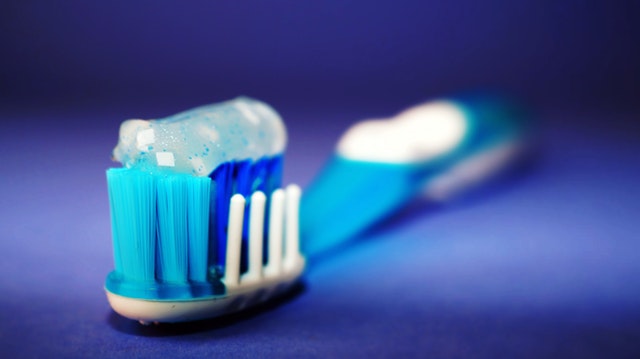
If you’re like a lot of people, you probably brush your teeth a little more energetically that you need to. With time, the brush’s bristles will begin to fray, looking like a used broom or paintbrush. The bristles may even be a touch off-white now, too. Those are all sure signs that it’s time to replace your brush with a new one.
And trust us, you don’t want to use a toothbrush that is past its useful life. If you do, it just won’t do the job that it’s designed to do.
pexels-photo-298611
If you brush your teeth the way we’ve taught you here at Bayside Dentistry, a dentist serving Manahawkin, Forked River, Barnegat and all of Ocean County, the signs might not be as obvious. They may not jump out at you, but small changes in your toothbrush will make it less effective in doing its job. They include:
- Slight curve/slant to the bristles – This can happen after using it over a long stretch of time. Though it can often be barely noticeable, this can prevent the bristles from reaching around the gum line and between your teeth.
- Loss of elasticity – Modern toothbrush bristles are made to be elastic and bendable. This is to allow the brush to provide the gentle sweeping movement necessary for the most effective brushing. As the bristles’ elasticity wears down, your brushing becomes less effective.
- Harboring bacteria – No matter how clean you keep your brush and its holder, over time bacteria will begin to make a home there. This makes fighting plaque and germs even harder.
A good rule of thumb is to replace your toothbrush every three to four months. If you are seeing the family here at Bayside regularly, you already know that having a new, fresh toothbrush is essential to your oral health. Some things we recommend to ensure it lasts a long while include:
- Air dry it; do not store it in a closed container. This helps prevent bacteria growth
- Rinse your toothbrush thoroughly after each use. This keeps the bristles flexible
- Don’t share your toothbrush with others! The reasons why should be obvious
- Brush firmly but gently. Many people brush too hard, wearing out their brush faster
- Replace it every 3-4 months
Doing what you can to make sure your toothbrush is well taken care of is one of the easiest things you can do to be sure you have good oral health. Doing so will guarantee that every time you brush, your teeth they are as clean as can be, your breath is fresh, and your future trips to Bayside will be as smooth as possible.
And let’s be honest, isn’t the whole reason you visit us here at Bayside in the first place to have healthy teeth? We serve Manahawkin, Lacey / Forked River, Barnegat, and all of Ocean County!
Take a look at your toothbrush. It is a familiar part of your daily routine, something you see early every morning (or at least we hope so) and just before bed every night (ditto). Your toothbrush is your friend
But the fact of the matter is, that toothbrush is probably due for replacing.
If you’re like a lot of people, you probably brush your teeth a little more energetically that you need to. With time, the brush’s bristles will begin to fray, looking like a used broom or paintbrush. The bristles may even be a touch off-white now, too. Those are all sure signs that it’s time to replace your brush with a new one.
And trust us, you don’t want to use a toothbrush that is past its useful life. If you do, it just won’t do the job that it’s designed to do.
pexels-photo-298611
If you brush your teeth the way we’ve taught you here at Bayside Dentistry, a dentist serving Manahawkin, Forked River, Barnegat and all of Ocean County, the signs might not be as obvious. They may not jump out at you, but small changes in your toothbrush will make it less effective in doing its job. They include:
- Slight curve/slant to the bristles – This can happen after using it over a long stretch of time. Though it can often be barely noticeable, this can prevent the bristles from reaching around the gum line and between your teeth.
- Loss of elasticity – Modern toothbrush bristles are made to be elastic and bendable. This is to allow the brush to provide the gentle sweeping movement necessary for the most effective brushing. As the bristles’ elasticity wears down, your brushing becomes less effective.
- Harboring bacteria – No matter how clean you keep your brush and its holder, over time bacteria will begin to make a home there. This makes fighting plaque and germs even harder.
A good rule of thumb is to replace your toothbrush every three to four months. If you are seeing the family here at Bayside regularly, you already know that having a new, fresh toothbrush is essential to your oral health. Some things we recommend to ensure it lasts a long while include:
- Air dry it; do not store it in a closed container. This helps prevent bacteria growth
- Rinse your toothbrush thoroughly after each use. This keeps the bristles flexible
- Don’t share your toothbrush with others! The reasons why should be obvious
- Brush firmly but gently. Many people brush too hard, wearing out their brush faster
- Replace it every 3-4 months
Doing what you can to make sure your toothbrush is well taken care of is one of the easiest things you can do to be sure you have good oral health. Doing so will guarantee that every time you brush, your teeth they are as clean as can be, your breath is fresh, and your future trips to Bayside will be as smooth as possible.
And let’s be honest, isn’t the whole reason you visit us here at Bayside in the first place to have healthy teeth? We serve Manahawkin, Lacey / Forked River, Barnegat, and all of Ocean County!
Toothpaste is one of the most important tools in your oral health arsenal! But keep in mind that your Ocean County dentist will tell you that you have to choose the right type of toothpaste if you want your brushing to be as effective as it can be.
Wait, there can be a right and wrong kind of toothpaste? Actually, yes! You really can use the wrong type of toothpaste!
The fact is, not all toothpastes are made to work the same. They can be designed to address many different dental needs, depending on whatever the folks at your dental office serving Manahawkin tell you you should address first. An essential part of making good decisions about your oral care is knowing which toothpastes are the right choices for your family.
Experts in dentistry near Manahawkin will suggest you follow these five tips when making a choice:
1) Fluoride!
Don’t make the mistake of thinking every toothpaste contains fluoride. They don’t! Some “natural” toothpaste brands are free of fluoride. These are good for very young children under the age of six – fluoride can actually discolor teeth in young children – but once they are older, follow the recommendation of your dental office serving Manahawkin and use a toothpaste with fluoride. It’s one of the most vital ways in which brushing can help you battle cavities.
2) Whitening!
Whitening toothpastes are bigger than ever and easily available. But do you need one? They are fine options that might help slow down staining, but don’t expect dramatic results. They might be able to lighten your teeth by up to a shade, though even that would be a great result. The truth is, if you have sensitive teeth you should not use whitening toothpastes because they have chemicals that can make your teeth more sensitive.
3) Who’s Using It?
Remember that there are toothpastes made specifically for adults, and there are toothpastes made specifically for children. Always read labels carefully so you understand who the intended user is. For further advice, an a dentist in Ocean County for their input. Remember that a brand of toothpaste may not be suitable for the whole family!
4) ADA Approval!
Look for the American Dental Association seal of acceptance on your toothpaste. Any brand that is proven to be safe and effective will have that logo. It doesn’t matter the style you choose – whitening, all natural, baking soda, and others – if it doesn’t have the seal of approval by the ADA, take a pass. Your dentist near Manahawkin will give you the same advice.
5) Chronic Dental Problems?
Be sure to inform your dentist serving Manahawkin if you have chronic tooth problems that you are feeling on a regular basis. Pain, temperature sensitivity, and other chronic maladies are a sign there may be an underlying issue that needs to be addressed. You may be surprised to learn that your dentist may even be able to suggest a new type of toothpaste to help with your symptoms, such as desensitizing toothpaste.
Ready to start brushing? They get in the bathroom and do it, then visit your dental office near Manahawkin for a check up to see how well your teeth are doing.